


WINE 101
Wine without the wine-snob bullshit. From the grapes to the glass, get to know the flavors, styles, and little details that make wine worth exploring.
Welcome to Wine 101
Sweet or dry? "Dry" doesn't mean strong and "SWEET" doesn't necessarily mean "FRUITY.

For extra inspirations and recipes, check out Easy Eats

LIGHT BODIED REDS
These wines feature lower tannins and bright fruit notes.
-
Pinot Noir: Pairs with roast chicken, grilled salmon, and mushroom risotto.
-
Gamay: Pairs with charcuterie and soft cheeses.
MEDIUM-BODIED REDS
These versatile options offer moderate tannins and savory spice.
-
Chianti: Pairs with tomato-based pasta, pizza, and meatballs.
-
Merlot: Pairs with pork chops, roasted poultry, and root vegetables


FULL-BODIED REDS
These rich, high-tannin wines require protein and fat to soften their grip.
-
Cabernet Sauvignon: Pairs with ribeye steak, lamb, and aged cheddar.
-
Malbec or Shiraz: Pairs with barbecue ribs, burgers, and spiced lamb
Foods to avoid with red wine
You should avoid pairing red wine with delicate seafood, high-sulfur vegetables, and mint, as they create unpleasant metallic or bitter tastes
-
The iron and tannins in red wine react with fish oils, leaving a strong, fishy, or metallic aftertaste.
-
Mint: Mint and heavy peppermint products coat your mouth and overpower the subtle fruit notes and structure of red wine.
-
Vinegar-Heavy Dishes: Heavy vinegar dressings or pickles strip the wine of its natural freshness, making it taste dull and flat.
-
Artichokes: Artichokes contain a chemical called cynarine that deadens your taste buds, making the wine taste overly sweet, flat, or metallic
-
Sulfur-Rich Vegetables: Vegetables like asparagus, brussels sprouts, broccoli, and kale contain sulfur compounds that make red wine taste like burnt rubber or rotten eggs.
-
Delicate Chocolate: Sweet milk chocolate or chocolate cake can easily clash with red wine, making the wine taste bitter and overly alcoholic (though dark chocolate can occasionally work with specific sweet or robust reds).
The 20 minute wine rule
The 20-minute wine rule is a simple guideline that says you should put red wine in the fridge for 20 minutes before serving, and take white wine out of the fridge 20 minutes before drinking

Known for their crisp acidity, bright fruit flavors, and floral aromas, white wines are among the most versatile wines in the world.
Let's uncork the basics and discover what makes white wine so special!
Light and Dry
Crisp, zesty, and high in acidity with citrus and green apple notes (e.g., Pinot Grigio, Sauvignon Blanc).


Herbaceous and Zippy
Bright, grassy, and refreshing with distinct herbal or mineral traits (e.g., Sauvignon Blanc, Grüner Veltliner).
Bold and Rich
Full-bodied, creamy, and often oak-aged with rich butter or stone fruit flavors (e.g., oaked Chardonnay, Viognier).

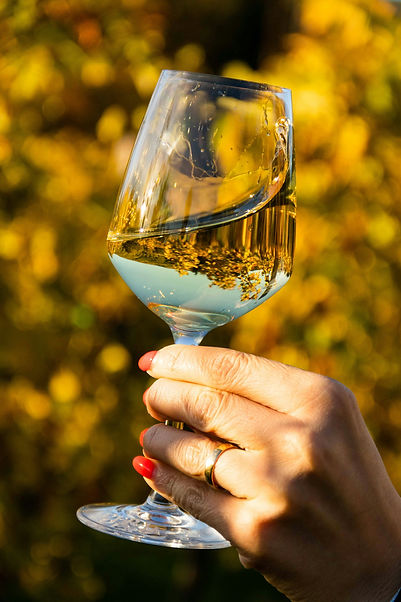
Sweet
Ranging from off-duty to luscious and sugary, balancing high acidity with stone fruit or floral profiles (e.g., Riesling, Moscato
Key Tasting Terms
Dry: A wine with little to no residual sugar, meaning it is not sweet.
Body: How heavy or rich the wine feels in your mouth, ranging from light to full-bodied.
Acidity: The tart, crisp, or mouth-watering freshness that gives a wine its liveliness.
Minerality: Earthy or flinty characteristics like wet stone, chalk, or seashells.
